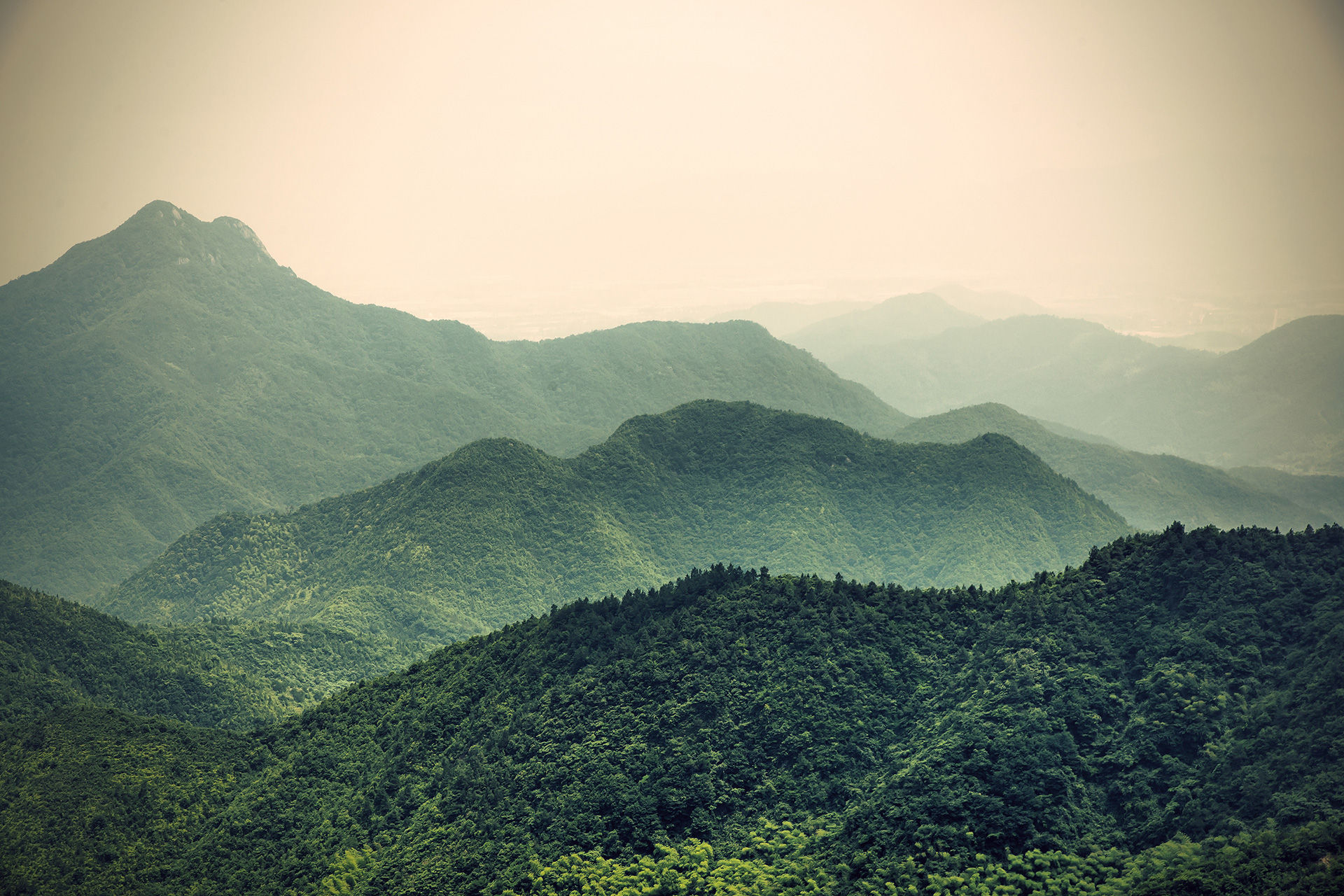


Exploring Top Alpine Destinations Worldwide
- Robin Wright
- Oct 20, 2025
- 4 min read
The world is home to some of the most breathtaking mountain landscapes, and among them, alpine destinations stand out for their unique charm and natural beauty. These locations offer a perfect blend of adventure, relaxation, and cultural experiences. Whether you are a nature lover, an outdoor enthusiast, or someone seeking tranquility, exploring alpine destinations worldwide can be a rewarding experience. This article will guide you through some of the top alpine spots, what defines an alpine environment, and practical tips for making the most of your visit.
Discovering the Best Alpine Destinations
When it comes to alpine destinations, several places around the globe are renowned for their stunning scenery and outdoor activities. Here are some of the top picks:
1. The Swiss Alps, Switzerland
The Swiss Alps are perhaps the most iconic alpine destination. Known for their towering peaks, pristine lakes, and charming villages, they offer year-round activities. In winter, skiing and snowboarding attract visitors from all over the world. During summer, hiking trails and mountain biking paths open up, providing spectacular views of the surrounding nature.
Must-visit spots: Zermatt, St. Moritz, and Interlaken.
Activities: Skiing, hiking, paragliding, and spa retreats.
Travel tip: Take the Glacier Express train for a scenic journey through the heart of the Alps.
2. The Dolomites, Italy
The Dolomites are a UNESCO World Heritage site famous for their dramatic limestone formations and vibrant alpine meadows. This region combines natural beauty with rich cultural heritage, including Ladin traditions and delicious cuisine.
Must-visit spots: Cortina d’Ampezzo, Val Gardena, and Alpe di Siusi.
Activities: Rock climbing, skiing, via ferrata routes, and exploring mountain huts.
Travel tip: Try the local dishes like speck and canederli for an authentic taste of the region.
3. The Rocky Mountains, USA and Canada
Stretching from New Mexico to northern British Columbia, the Rocky Mountains offer diverse alpine experiences. The Canadian Rockies, in particular, are known for their turquoise lakes and abundant wildlife, while the American Rockies boast famous national parks.
Must-visit spots: Banff and Jasper in Canada; Aspen and Rocky Mountain National Park in the USA.
Activities: Wildlife watching, hiking, skiing, and hot springs.
Travel tip: Visit during the shoulder seasons (late spring or early fall) to avoid crowds and enjoy mild weather.

What is considered Alpine?
Understanding what defines an alpine environment helps in appreciating these destinations better. The term "alpine" generally refers to high mountain areas above the tree line, where the climate is cold and vegetation is limited to hardy grasses, shrubs, and wildflowers. These regions are characterized by:
Elevation: Typically above 1,500 meters (4,900 feet), but this varies by latitude.
Climate: Cold temperatures, strong winds, and significant snowfall in winter.
Flora and Fauna: Specialized plants and animals adapted to harsh conditions.
Landscape: Rugged terrain with rocky outcrops, glaciers, and clear mountain streams.
Alpine environments are fragile ecosystems that require responsible tourism practices to preserve their natural beauty and biodiversity.
Exploring Alpine Destinations in Asia and South America
While Europe and North America are famous for their alpine regions, Asia and South America also offer spectacular mountain destinations worth exploring.
1. The Himalayas, Nepal and Bhutan
The Himalayas are the highest mountain range in the world, home to Mount Everest and many other towering peaks. This region offers a unique blend of spiritual culture and rugged adventure.
Must-visit spots: Annapurna Circuit, Everest Base Camp, and Paro Valley.
Activities: Trekking, mountaineering, cultural tours, and meditation retreats.
Travel tip: Acclimatize properly to avoid altitude sickness and hire local guides for safety.
2. The Andes, Chile and Argentina
The Andes stretch along the western edge of South America and include some of the highest peaks outside Asia. The Patagonian Andes are particularly famous for their dramatic landscapes and outdoor activities.
Must-visit spots: Torres del Paine National Park, Bariloche, and Mendoza.
Activities: Hiking, glacier trekking, wine tasting, and wildlife spotting.
Travel tip: Visit in the Southern Hemisphere summer (December to February) for the best weather.

Practical Tips for Visiting Alpine Destinations
To make the most of your trip to any alpine destination, consider the following practical advice:
Pack appropriately: Weather can change rapidly in the mountains. Bring layers, waterproof gear, and sturdy footwear.
Plan for altitude: Give yourself time to acclimate, stay hydrated, and avoid overexertion.
Respect local culture: Many alpine regions have unique traditions and customs. Learn about them and be respectful.
Choose sustainable options: Support eco-friendly accommodations and tour operators to minimize your environmental impact.
Stay safe: Check weather forecasts, follow marked trails, and carry a map or GPS device.
By preparing well, you can enjoy the stunning landscapes and rich experiences these destinations offer.

Embracing the Alpine Spirit
Exploring top alpine destinations worldwide opens up a world of natural wonders and cultural richness. From the snowy peaks of the Swiss Alps to the rugged trails of the Andes, each location offers something unique. Whether you seek thrilling outdoor adventures or peaceful moments in nature, these destinations provide unforgettable experiences.
For those interested in learning more about alpine environments and planning trips, resources like alpine travel guides and local tourism websites can be invaluable. Embrace the alpine spirit by venturing into these majestic mountain landscapes and creating memories that will last a lifetime.


Comments