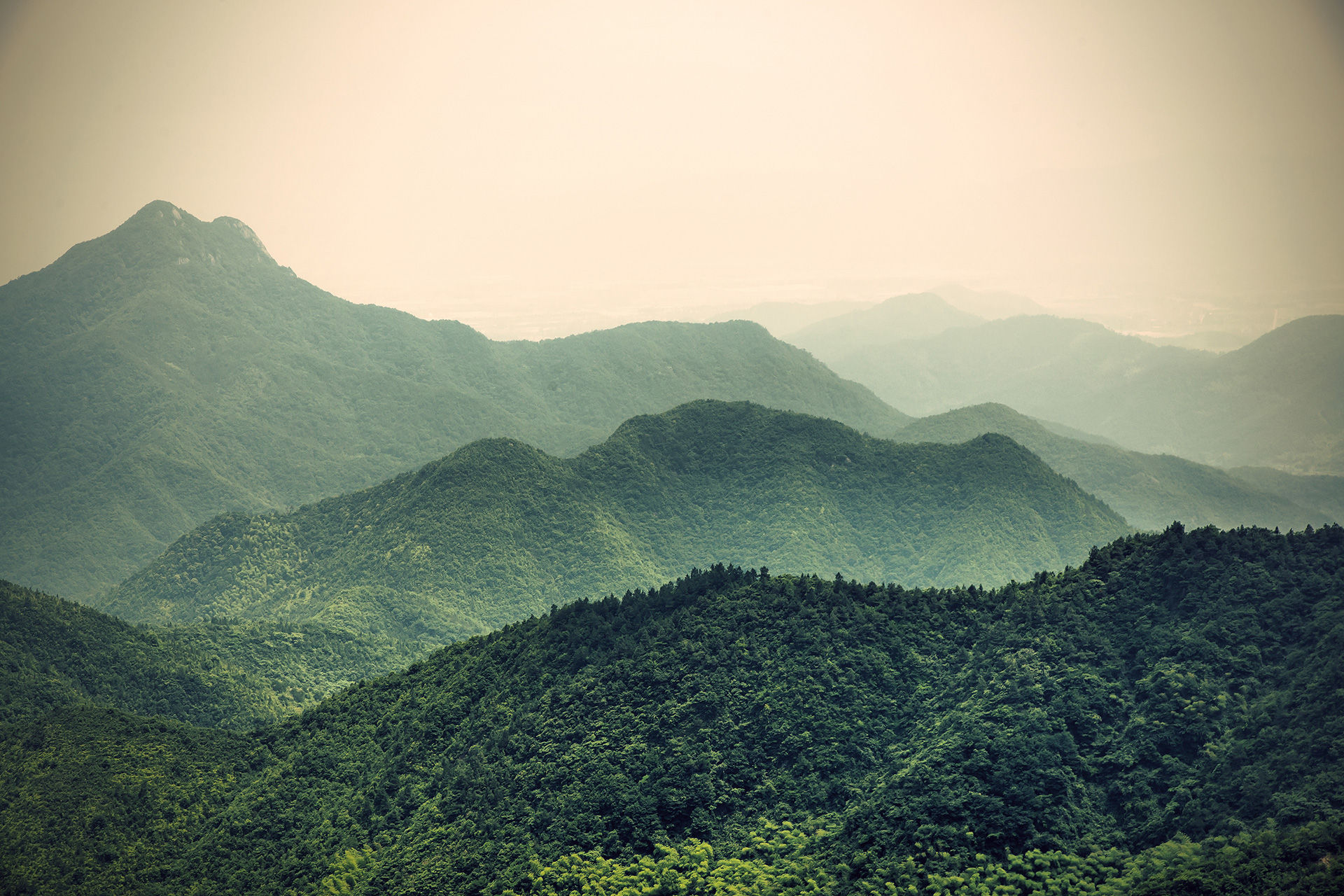


Alpine River Exploration: Discovering the Beauty of Mountain Waterways
- Alpine Rivers® founder
- Jun 13
- 3 min read
When I first set out to explore the serene and powerful waterways nestled high in the mountains, I was captivated by their unique charm. These rivers, flowing through rugged terrain and pristine landscapes, offer more than just a scenic view—they invite you to experience nature in its purest form. Whether you’re an avid hiker, a passionate photographer, or simply someone who loves the outdoors, exploring alpine rivers can be a refreshing and inspiring adventure.
Why Alpine River Exploration is So Special
Alpine rivers are unlike any other rivers you might encounter. They originate from melting glaciers and snowfields, rushing down steep slopes with crystal-clear water. The sound of the water rushing over rocks, the fresh mountain air, and the untouched surroundings create a peaceful atmosphere that’s hard to find elsewhere.
What makes these rivers truly special is their dynamic nature. They change with the seasons—sometimes calm and gentle, other times roaring with the force of spring meltwater. This variability means every visit offers a new experience. Plus, the ecosystems around these rivers are rich with unique plants and wildlife adapted to the cold, fast-moving water.
If you’re planning your own alpine river exploration, here are some tips to make the most of your trip:
Pack smart: Bring waterproof gear and sturdy hiking boots.
Stay safe: Always check weather conditions and river flow levels.
Respect nature: Stick to trails and avoid disturbing wildlife.
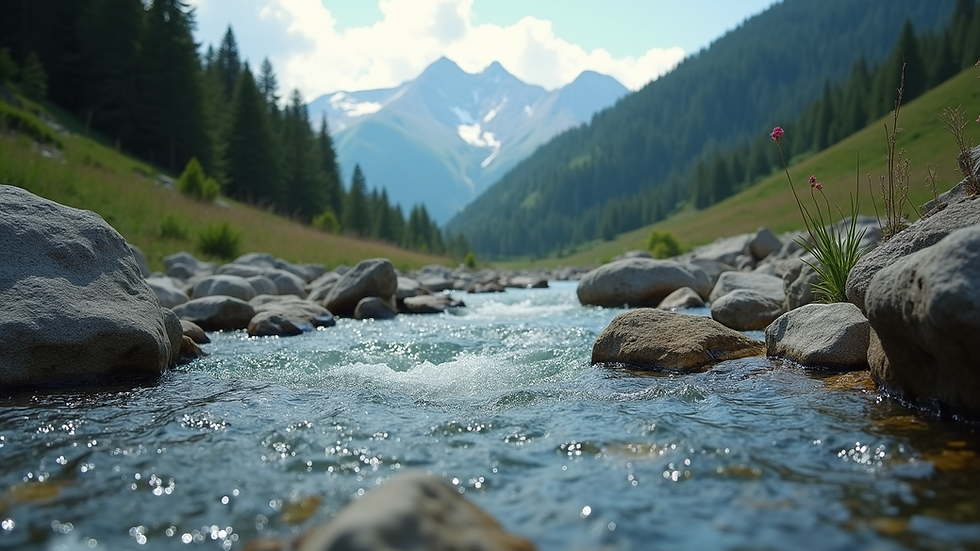
Essential Gear for Your Alpine River Exploration
To truly enjoy your time by these mountain rivers, having the right gear is crucial. I’ve learned that preparation makes all the difference between a stressful outing and a memorable adventure.
Here’s a checklist of essentials I recommend:
Waterproof backpack - Keeps your belongings dry even if you cross shallow streams.
Layered clothing - Weather in the mountains can change quickly; layers help you stay comfortable.
Map and compass or GPS device - Cell service can be spotty, so don’t rely solely on your phone.
First aid kit - Always be ready for minor injuries.
Reusable water bottle with filter - Fresh water is abundant, but filtering ensures safety.
Camera or smartphone - To capture the stunning views and wildlife encounters.
Remember, the goal is to travel light but prepared. Overpacking can slow you down, but missing key items can put you at risk.
Where are the Alpine rivers?
You might wonder where exactly these alpine rivers are located. In the United States, many of the most beautiful alpine rivers can be found in the Rocky Mountains, the Sierra Nevada, and the Cascades. These mountain ranges offer countless opportunities for river exploration.
For example:
Colorado’s Rocky Mountains feature rivers like the Arkansas and the Colorado River, which start high in the alpine zone.
California’s Sierra Nevada is home to the Merced and Tuolumne Rivers, flowing through Yosemite National Park.
The Pacific Northwest’s Cascades have rivers such as the Skagit and the Wenatchee, known for their rugged beauty.
Each region has its own character and challenges, so it’s worth researching the specific area you plan to visit. Local ranger stations and visitor centers are great resources for up-to-date information on trail conditions and river safety.

How to Experience Alpine Rivers Responsibly
Exploring these pristine environments comes with a responsibility to protect them. I always remind myself—and encourage others—to follow Leave No Trace principles. This means:
Pack out all trash: Even biodegradable items can disrupt the ecosystem.
Avoid disturbing wildlife: Observe animals from a distance.
Stay on marked trails: This prevents erosion and protects plant life.
Use biodegradable soap: If you need to wash, do it away from the river.
By respecting the environment, we ensure that these beautiful rivers remain unspoiled for future visitors. Plus, responsible behavior often leads to more rewarding experiences—you might spot rare birds or find a quiet spot to relax without crowds.
Planning Your Next Alpine River Adventure
If you’re ready to dive into your own alpine river exploration, start by choosing a destination that matches your experience level and interests. Here are some practical steps to get you going:
Research the area: Look for trail maps, river guides, and recent trip reports.
Check the season: Spring and early summer offer high water flow but can be risky; late summer and fall are often safer and still beautiful.
Arrange accommodations: Whether camping or staying in nearby lodges, book early during peak seasons.
Invite a friend: Exploring with a companion adds safety and fun.
Don’t forget to bring your curiosity and patience. Sometimes the best moments happen when you pause to listen to the water or watch the sunlight dance on the river’s surface.
Exploring alpine rivers is more than just a trip—it’s a chance to connect deeply with nature’s rhythms and recharge your spirit. So grab your gear, lace up your boots, and set out on a journey that promises breathtaking views and unforgettable memories.


Comments